

Introduction
Mental health is a very crucial component of overall well being since it determines how people think, feel and behave in their day-to-day lives.In today’s world, people face increasing pressure, constant digital overload, and frequent lifestyle disruptions, making it more important than ever to preserve mental stability. Fortunately, individuals can improve their mental health without always relying on medication or therapy sessions. They can adopt numerous effective, science-backed strategies at home to build emotional stability and strengthen long-term psychological resilience.
The Mental Health and why it is important
Mental health is not just the absence of illness; it reflects emotional stability, clarity, and balance. Individuals who maintain strong mental health can manage stress effectively, build healthy relationships, and stay goal-oriented. In contrast, poor mental health can lead to anxiety, lack of concentration, emotional instability, and even physical health issues.
Individuals can improve mental health naturally by adopting consistent daily habits that strengthen the mind, reduce stress, and promote positive thinking patterns.
Establish a Routine with Your Day
Daily routine is a structure and this brings about stability and less uncertainty that is a key contributor to stress. Begin by getting up and taking the same time of sleep each day. An effective schedule can help to control your body clock, and make the mood better.
Add some form of light exercise, reading or journaling. These little steps create discipline and make you focused which eliminates clutter with your mind and makes you productive.
Mindfulness and Meditation
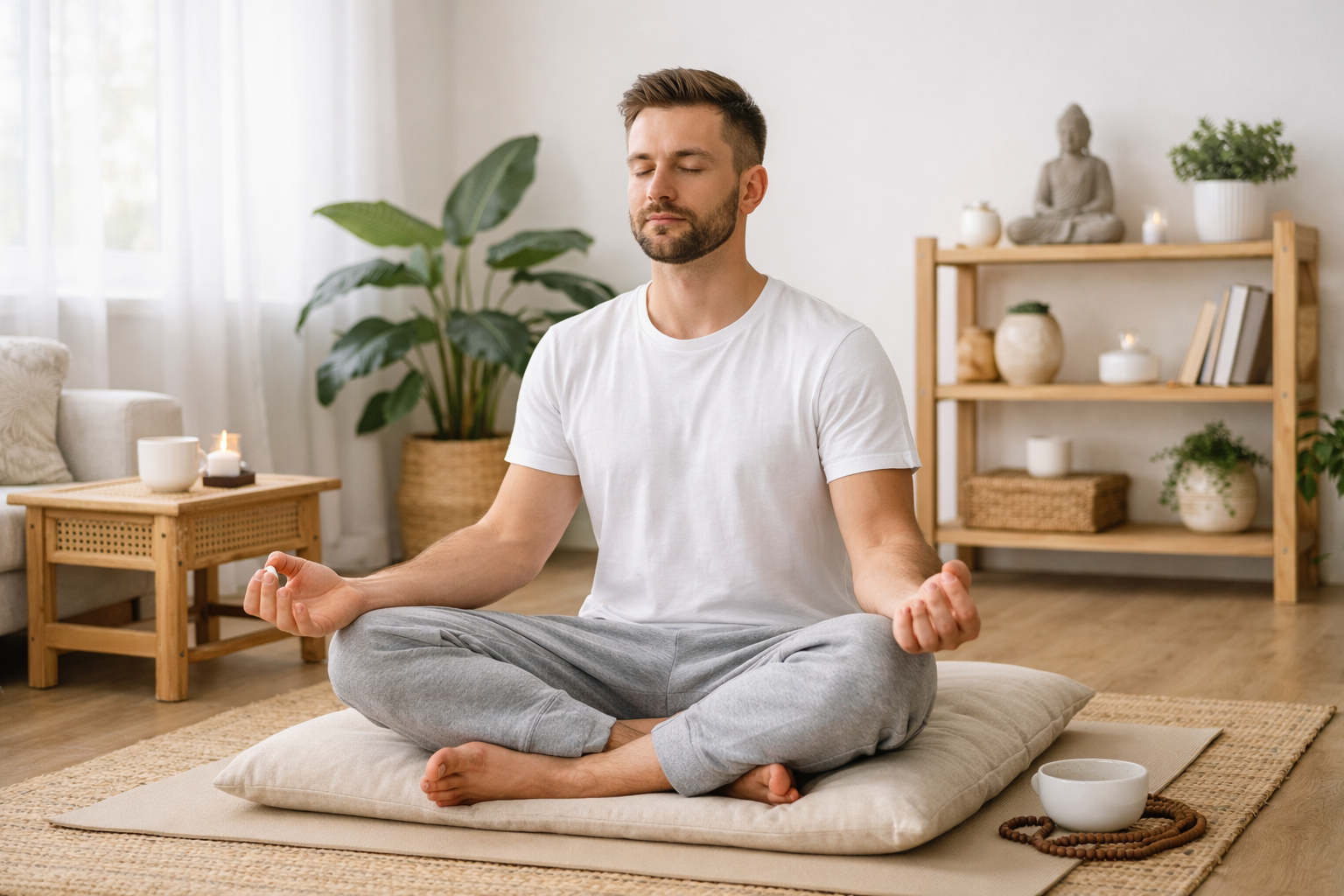
Mindfulness is non-judging and being in the present. It is possible to stress that even the practice of meditation, which takes no more than 10-15 minutes a day, can have a considerable positive impact by lowering stress levels and anxiety.
Deep breathing, guide of meditation, and body scanning are some of the techniques that the nervous can claim by use of system. Mindfulness also becomes more useful than challenging situations as time passes and leads to better control of emotions and less overthinking.
Exercise and the Mental Health of the Body
One of the best methods of using natural means to enhance mental health is exercise. Such practices as walking, yoga, or home exercises produce endorphins, which are commonly known as feel-good hormones.
Working out also contributes to alleviating the signs of anxiety and depression, and increases the quality of sleep and self-confidence. The difference in the mental well-being may be noticed even with 20 minutes of daily activity.
Nutrition and Brain Health
What you are eating directly touches on how you feel. Eat fruits, vegetables, whole grains and healthy fats in a balanced diet that is good to the brain.
Consumption of excessive sugar and processed foods should be avoided as it may cause mood swings as well as low energy. It is always good to remain hydrated and continue with proper nutrition keeping your mind safe and healthy.
Sleep Better the Natural Way
Mental recovery is necessitated by sleep. Sleep deprivation may result in crankiness, inability to concentrate, and stress.
Establish a bedtime habit, which is not watching screens before bed, making a dark atmosphere, and relaxation exercises. Sleep enhances emotional stability and mental intactness.
Make Positive Statements and Positive Thinking
Positive affirmations are very potent since they give a new mind set. Negative thought patterns can slowly be altered by repeating such statements as I am calm and in control.
Affirmations are used to build self confidence, eliminate worry and enhance positive thinking towards life. This is a basic measure that can enhance emotional wellness in the long run.
Limit Digital Overload
Social media and screen time may harm the mental health of individuals. When stressful situations arise and the attention span is shortened, constant comparison, abundance of information, and digital distractions are the cause.
Create barriers through regulating screen time and frequent electronic intervals. The offline activities such as reading or spending time with a family can be helpful in creating the mental balance.
Manage Stress Effectively
People cannot avoid stress, but they can manage it effectively to protect their mental health. Techniques such as journaling, deep breathing, and proper time management help reduce stress levels and improve emotional balance.
Determine stressors and develop solutions. Long-term mental health problems are prevented by coming up with coping strategies.
Establishing Healthy Relationships
Good connections are crucial to emotional well being. Be around good and positive individuals who can pick you up.
Narcissism or relationships with a narcissist are toxic behaviors that may drain emotional resources and affect mental health. The key to maintaining healthy relationships is healthy communication and respect.
Remain Productive and Goal Oriented
The establishment of smaller adjustable goals contributes to the establishment of a meaning. Productivity enhances clarity of mind and diminishes the feeling of anxiety and uncertainty.
Splitting large goals into small steps and overcoming small steps are important. Always being productive will keep your mind active and will not allow you to think negatively.
Get Touched with Self-Discovery
Self-knowledge is very important in psychological development. The strengths, weaknesses, and emotional triggers can be determined with the help of personality tests and self-reflection exercises.
Such activities as journaling or self-assessment tools are significant to clarify things and make improved decisions that are in line with your values.
Provide an environment of Positivity
The environment affects your psychological condition. An environment is clean, tidy and calm which enhances relaxation and concentration.
Colours such as white may bring the feeling of calmness and brightness. Clearing up your space will also help you get less mental stress and to be more productive.
Final Thoughts
Naturally, achieving mental health improvement at home would involve consistency, patience, and deliberate effort. Individuals can significantly improve their emotional well-being by adopting simple habits such as maintaining a consistent routine, practicing mindfulness, engaging in regular physical activity, and building positive relationships with others. Such natural means do not only decrease stress, but also develop long-term mental stability, allowing the person to live a more balanced and rewarding life.
Leave a Comment: